Random Acts of Kindness Day 2026 is on February 17, as it has been every year, representing a global reminder that simple gestures can transform lives. While kindness is often associated with small daily interactions, its impact becomes especially profound in healthcare settings where compassion shapes the quality of care. At Ascend Hospice Care, kindness is more than a momentary gesture. It is a guiding principle that improves quality of life, strengthens families, and supports patients when they need it most.
This annual observance encourages 365 days of random acts of kindness, not just a single day of goodwill. For hospice providers, this philosophy reflects the core belief that consistent compassion helps individuals and families experience comfort, dignity, and meaningful connection, particularly when facing life-limiting illnesses.
The Origins and Purpose of Random Acts of Kindness Day
The modern celebration of Random Acts of Kindness Day began in 1995 in Denver and later expanded into a global movement supported by organizations such as the Random Acts of Kindness Foundation. The initiative promotes intentional kindness and encourages individuals, workplaces, schools, and healthcare providers to foster empathy and generosity in everyday interactions.
The idea is simple yet powerful. Small acts of kindness can improve emotional well-being, strengthen social bonds, and create positive environments. Research in psychology consistently shows that helping others increases personal happiness, reduces stress, and promotes a sense of purpose. For patients facing serious illness, these effects can be especially meaningful.
Hospice professionals recognize that kindness is not merely symbolic. It is a practical form of care that supports emotional and physical comfort.
Why Acts of Kindness Matter in Healthcare
At first glance, brief acts of kindness may seem minor. However, evidence shows that compassionate care improves patient satisfaction, reduces anxiety, and enhances communication between providers and families. The World Health Organization emphasizes person-centered care as a central component of quality health services, highlighting respect, empathy, and dignity as essential elements.
In hospice care, acts of goodwill are integrated into every interaction. Care teams focus on pain management, emotional support, and spiritual well-being while guiding families through complex medical decisions. Patients receive attention that addresses the whole person rather than only the disease.
From years of experience, hospice professionals observe that:
These outcomes demonstrate that kindness is not optional in healthcare. It is essential for effective, patient-centered treatment.

The Connection Between Kindness and Early Hospice Care
One of the most significant ways to practice kindness in healthcare is through timely decision-making. Choosing hospice care early allows patients to experience greater comfort, support, and dignity.
Hospice services focus on symptom control, pain relief, and emotional support for individuals with serious or life-limiting illnesses. According to data from the National Hospice and Palliative Care Organization, many patients receive hospice care for only a short period, often during the final weeks of life. Healthcare professionals widely agree that earlier enrollment allows patients and families to benefit more fully from available services.
When hospice care begins sooner rather than later, patients often experience:
- 1
Better pain and symptom management.
- 2More time for emotional and spiritual support.
- 3Improved quality of life at home or in a comfortable setting.
- 4Greater support for family caregivers.
From a hospice perspective, encouraging early care is one of the most meaningful daily acts of kindness healthcare providers can offer. It allows patients to focus on comfort, connection, and dignity rather than crisis-driven medical interventions.
Kindness Awareness Through Hospice Support
Hospice care represents a structured expression of kindness awareness. Interdisciplinary teams, including physicians, nurses, social workers, counselors, and trained volunteers, work together to meet physical, emotional, and spiritual needs.
Their work demonstrates that daily acts of kindness can take many forms, such as:
These actions reflect a philosophy of care rooted in compassion. For families, the presence of a supportive team often reduces fear and uncertainty while creating space for meaningful experiences.
Simple Ways to Practice Kindness Every Day
The message behind Random Acts of Kindness Day extends beyond healthcare settings. Everyone can contribute to a culture of compassion through intentional actions that support others.
Consider incorporating these daily practices:
By making these behaviors part of everyday life, individuals contribute to a culture shaped by empathy and compassion.
The Ripple Effect of Compassionate Care
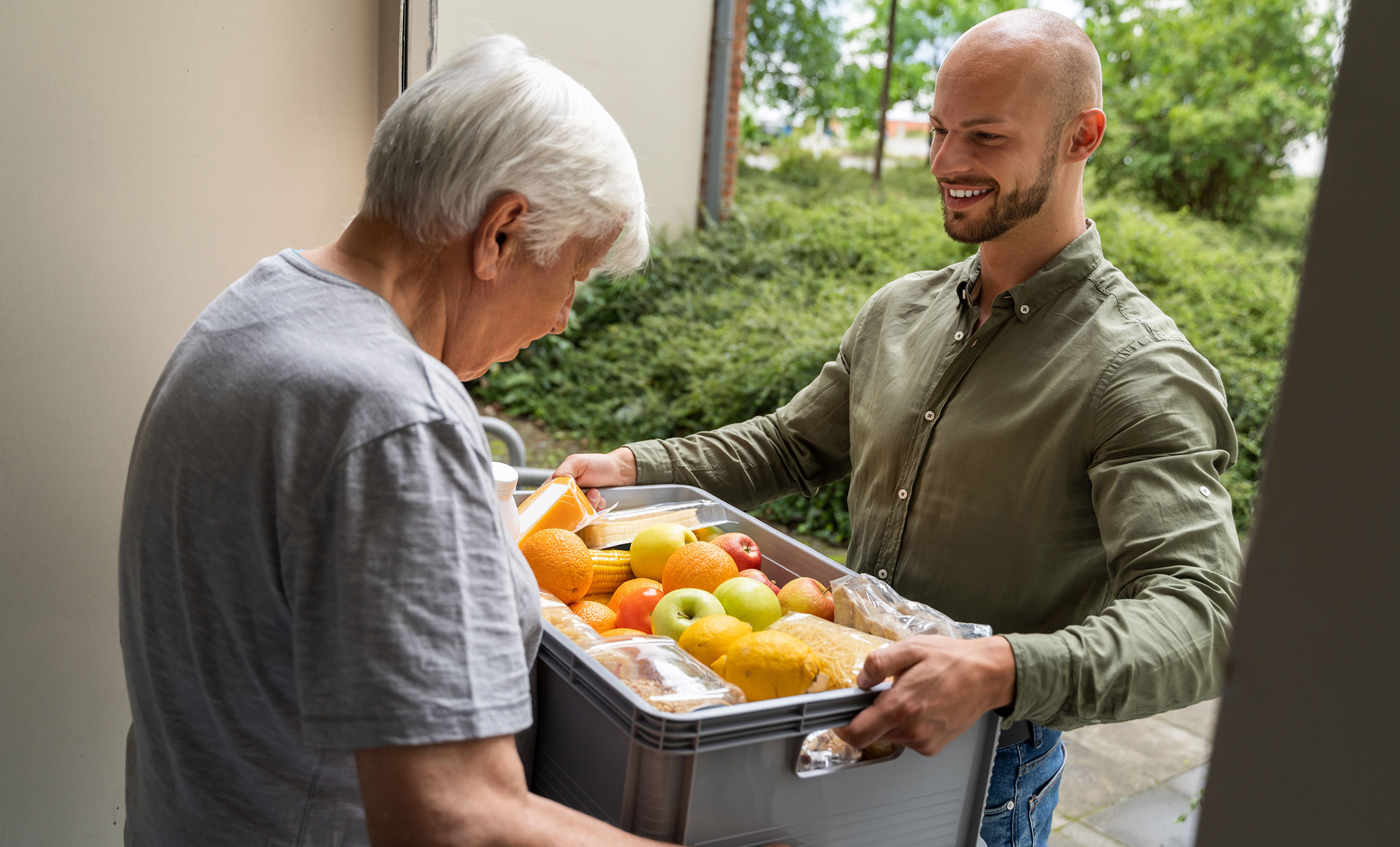
One of the most powerful aspects of kindness is its ability to inspire others. A single compassionate action often leads to a chain reaction of positive behavior. Patients who experience genuine care frequently express gratitude, families share supportive practices with others, and communities benefit from stronger relationships.
In hospice settings, this ripple effect is visible every day. Families who receive compassionate support often become advocates for early hospice care, volunteers return to help future patients, and healthcare professionals continue to prioritize dignity and respect.
This cycle demonstrates that acts of kindness are not isolated events. They build communities grounded in trust and empathy.
Building a Culture of 365 Days of Compassion
While Random Acts of Kindness Day 2026 highlights a specific moment for reflection, its message extends throughout the year. The goal is to foster 365 days of random acts of kindness that influence healthcare decisions, family relationships, and community engagement.
For hospice providers, this commitment means delivering consistent, compassionate care and encouraging timely conversations about end-of-life support. Choosing hospice early is a profound expression of kindness toward oneself and loved ones, ensuring comfort, dignity, and a high quality of life.
A Lasting Commitment to Care
At Ascend Hospice Care, kindness remains one of the most powerful tools for improving health and strengthening human connection. Whether expressed through small gestures, volunteer work, or early hospice care decisions, compassion creates meaningful change.
As Random Acts of Kindness Day approaches, consider how intentional kindness can shape everyday experiences. Embracing daily acts of kindness supports patients facing illness, strengthens families, and builds more compassionate communities. Through consistent empathy and thoughtful care, every person has the opportunity to make a lasting difference.