
Colorectal cancer is still one of the most preventable yet serious forms of cancer when screening and education are prioritized. At Ascend Hospice Care, the focus extends beyond treatment timelines. The goal is to support patients and families with clarity, comfort, and dignity, especially when facing advanced illness. During Colorectal Cancer Awareness Month, conversations about prevention and compassionate care become even more important.
Why Awareness Matters
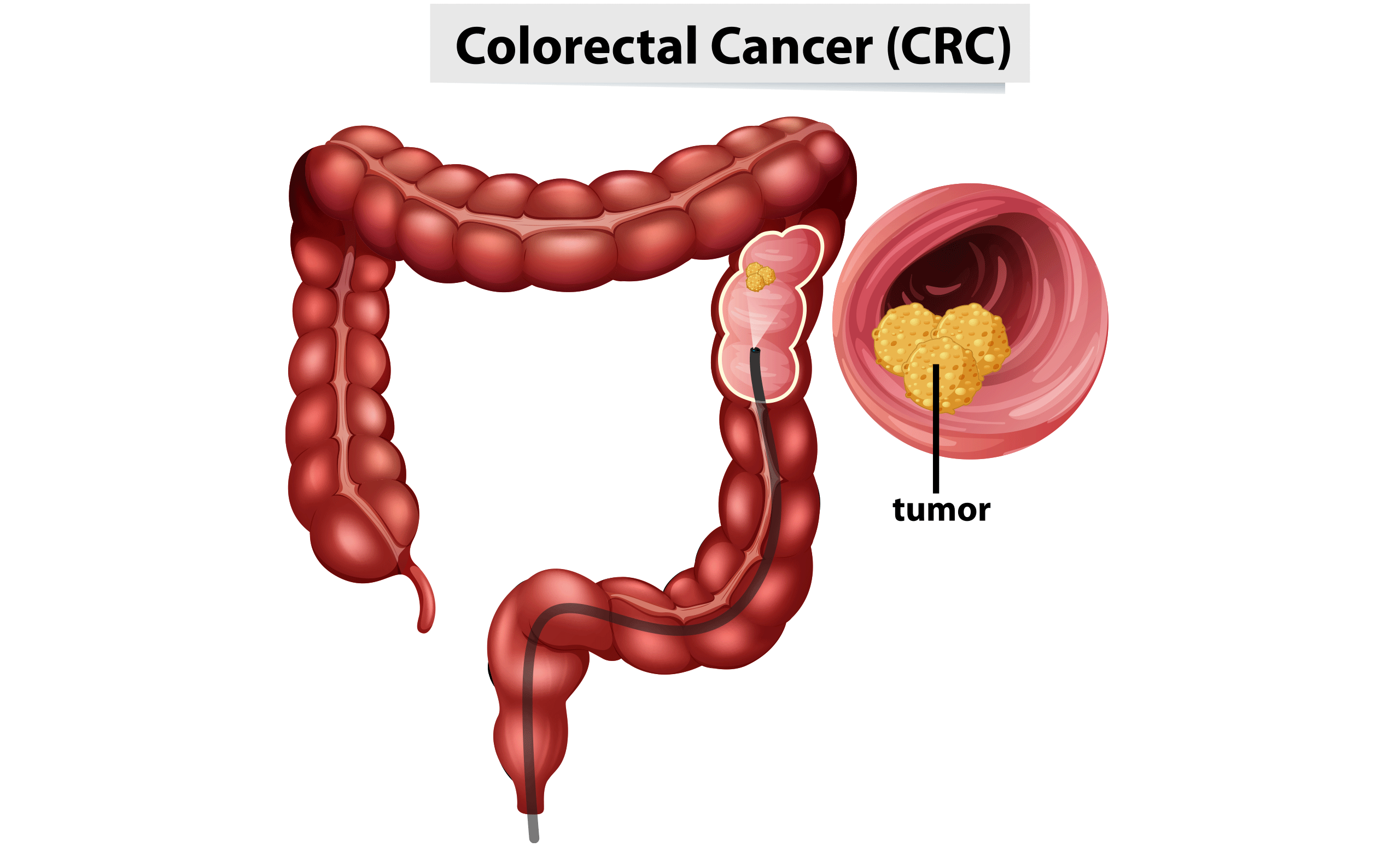
Colorectal cancer begins in the colon or rectum when abnormal cells grow uncontrollably and form tumors. Over time, these cancerous cells may invade nearby tissues or spread to distant organs such as the liver or lungs. According to the American Cancer Society, colorectal cancer remains one of the leading causes of cancer-related deaths in the United States, yet it is also one of the most preventable with regular screening.
The purpose of Colorectal Cancer Awareness Month is to encourage education, promote screening, and reduce stigma around digestive health. Many cases develop from precancerous polyps, which can be detected and removed early through colonoscopy. This makes screening a powerful preventive tool rather than only a diagnostic step.
Risk Factors and Prevention Strategies
Several risk factors increase the likelihood of developing colorectal cancer, many of which can be managed with lifestyle changes and medical guidance. These include age, family history, inflammatory bowel disease, obesity, smoking, and diets high in processed or red meat.
Screening guidelines have evolved in recent years. It has been recommended that adults at average risk begin regular screening at age 45. Early detection significantly improves survival rates. When colorectal cancer is found at a localized stage, the five-year survival rate can exceed 90 percent.
Prevention is closely tied to awareness and action. A balanced diet rich in fiber, regular physical activity, and limiting alcohol intake can help lower risk. Still, screening remains the most effective defense.
The Stages of Colorectal Cancer
Colorectal cancer is categorized into stages based on how far it has progressed. These stages guide treatment decisions and help families better understand the condition.
Understanding these stages helps patients and families prepare for what lies ahead, including treatment options and supportive care.
Treatment Options Across Different Stages
Treatment for colorectal cancer depends on the stage and overall health of the patient. Surgery is often the primary treatment for early stages, aiming to remove the tumor completely. Chemotherapy and radiation therapy may be used to reduce recurrence risk or shrink tumors. Targeted therapies and immunotherapy have advanced in recent years, offering additional options for certain patients.
As the disease progresses, treatment goals may shift. For patients diagnosed with end-stage colon cancer, the focus often moves from curative treatment to comfort-focused care. This transition can be challenging, but it also opens the door to supportive services that improve quality of life.
End-Stage Colorectal Cancer Symptoms and What to Expect
As colorectal cancer advances, symptoms become more pronounced and can significantly impact daily life. Recognizing end-stage colorectal cancer symptoms allows families to respond with appropriate care and support.
Common symptoms include persistent abdominal pain, severe fatigue, unintended weight loss, and changes in bowel habits. Patients may also experience bowel obstruction, nausea, or jaundice if the liver is affected. These signs often intensify during the last stages of colon cancer symptoms, requiring careful symptom management.
In the last days of colon cancer, patients may become increasingly weak, sleep more frequently, and experience reduced appetite or fluid intake. Emotional and psychological changes may also occur, affecting both the patient and their loved ones. These moments require compassionate, coordinated care that addresses physical, emotional, and spiritual needs.

The Role of Hospice in End-Stage Colon Cancer
Hospice care plays a vital role in supporting patients with end-stage colorectal cancer and their families. At Ascend Hospice Care, the emphasis is on comfort, dignity, and personalized care plans that align with each patient’s wishes.
Hospice services include pain and symptom management, emotional and spiritual support, and assistance for caregivers. The care team often includes nurses, physicians, social workers, and chaplains who work together to provide comprehensive support.
Choosing hospice early offers significant benefits. Patients who begin hospice care sooner often experience better symptom control, reduced hospitalizations, and improved quality of life. Early hospice involvement also allows families more time to receive guidance, build trust with the care team, and focus on meaningful moments together.
Delaying hospice care can limit access to these benefits. Early conversations about goals of care help ensure that patients receive the support they need when it matters most.
Building Awareness and Taking Action
Colorectal Cancer Awareness Month in March 2026 focuses on accelerating screening, reducing, and addressing the rising rates of cancer in younger adults, with primary themes including “We’ve had #EnoughCRC” and the promotion of “Right Time. Right Test. Right Now.”
Encouraging loved ones to schedule screenings, sharing reliable information, and supporting those affected by the disease all contribute to a stronger awareness movement. These efforts can lead to earlier detection and, ultimately, save lives.
Compassionate Care When It Matters Most
Colorectal cancer awareness is not only about prevention but also about providing meaningful support throughout every stage of the disease. For patients facing end-stage colorectal cancer, compassionate care becomes essential in preserving dignity and comfort.
At Ascend Hospice Care, we are committed to standing alongside patients and families during life’s most challenging moments. By combining clinical expertise with empathy, hospice care ensures that no one faces the final stages of illness alone. Through education, timely screenings, and compassionate support, it is possible to make a lasting difference for patients and families affected by this disease.